
Whether it’s grassroots campaigns, lobbying to politicians, or spreading awareness and education on environmental inequities, every contribution counts in this enduring fight. For those just getting involved in the movement, the best place to start with environmental justice can be through education on the phrases, laws, conditions, and systems closely associated with environmental injustice and the advocacy to combat its causes and effects.
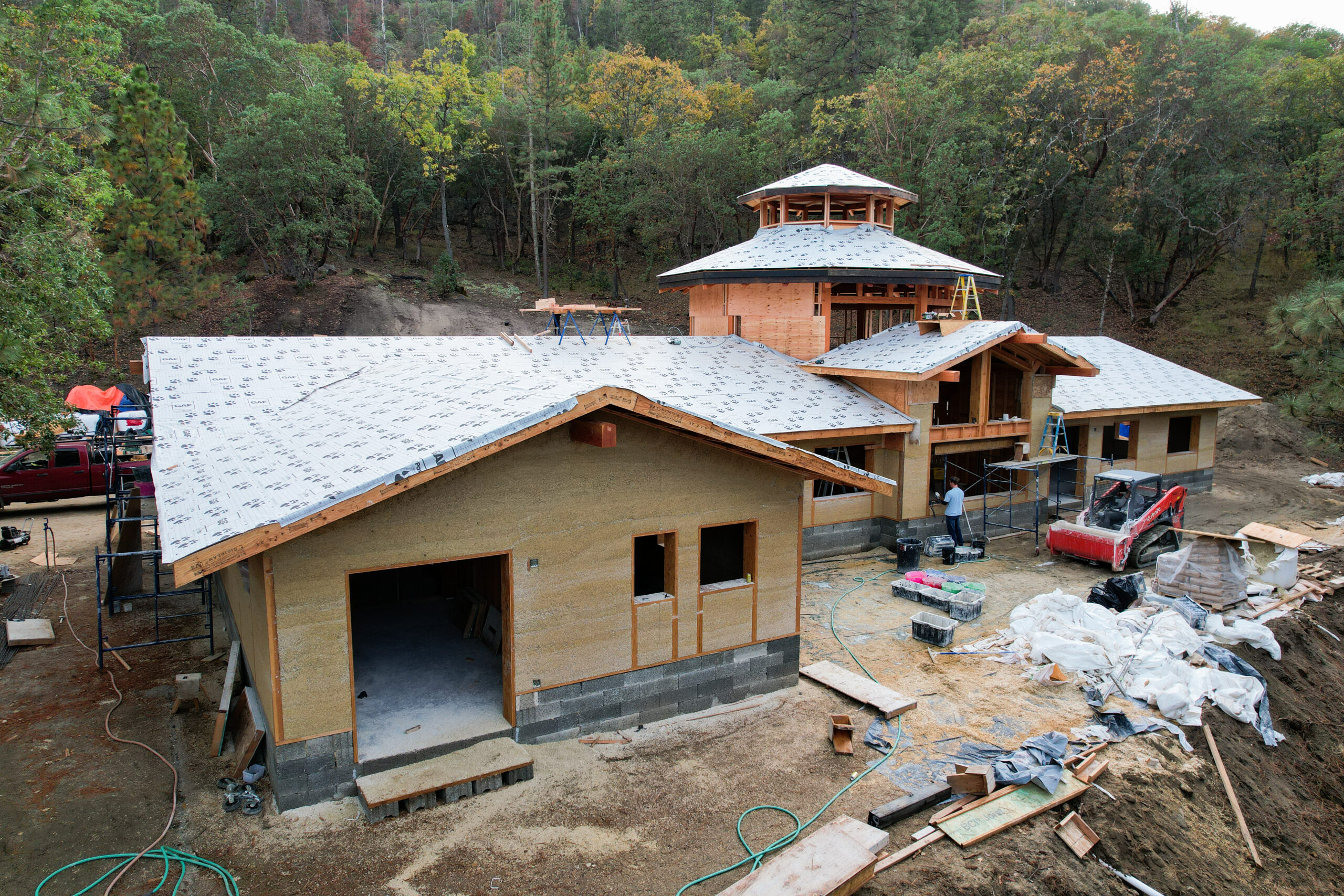
If you read the recent NWEBG post, Hemp-Lime Is Now in the IRC, you know that hemp-lime (a.k.a. hempcrete) is now becoming a viable wall system option. This is the second article in a series about hemp-lime to educate and showcase its benefits. In the first article, hemp-lime’s fire resistance was highlighted. This article is focused on the benefits of lime in hemp-lime binders in construction as it relates to mold, pests and sustainability.
Binder for Hemp-Lime
 For millennia, different cultures have discovered binders that work well with lime to bind for strength and longevity. The still-functioning Roman Aqueducts and 2000 year old architecture, such as the Basillica in Rome, have relatively recently been decoded for their “secret sauce”. Referred to as concrete, the mixes that have withstood forces of nature the best do not rely on cement, but on lime and pozzolans, whether or not some cement is added as part of the pozzolan mix (named for the Italian volcanic ash used).
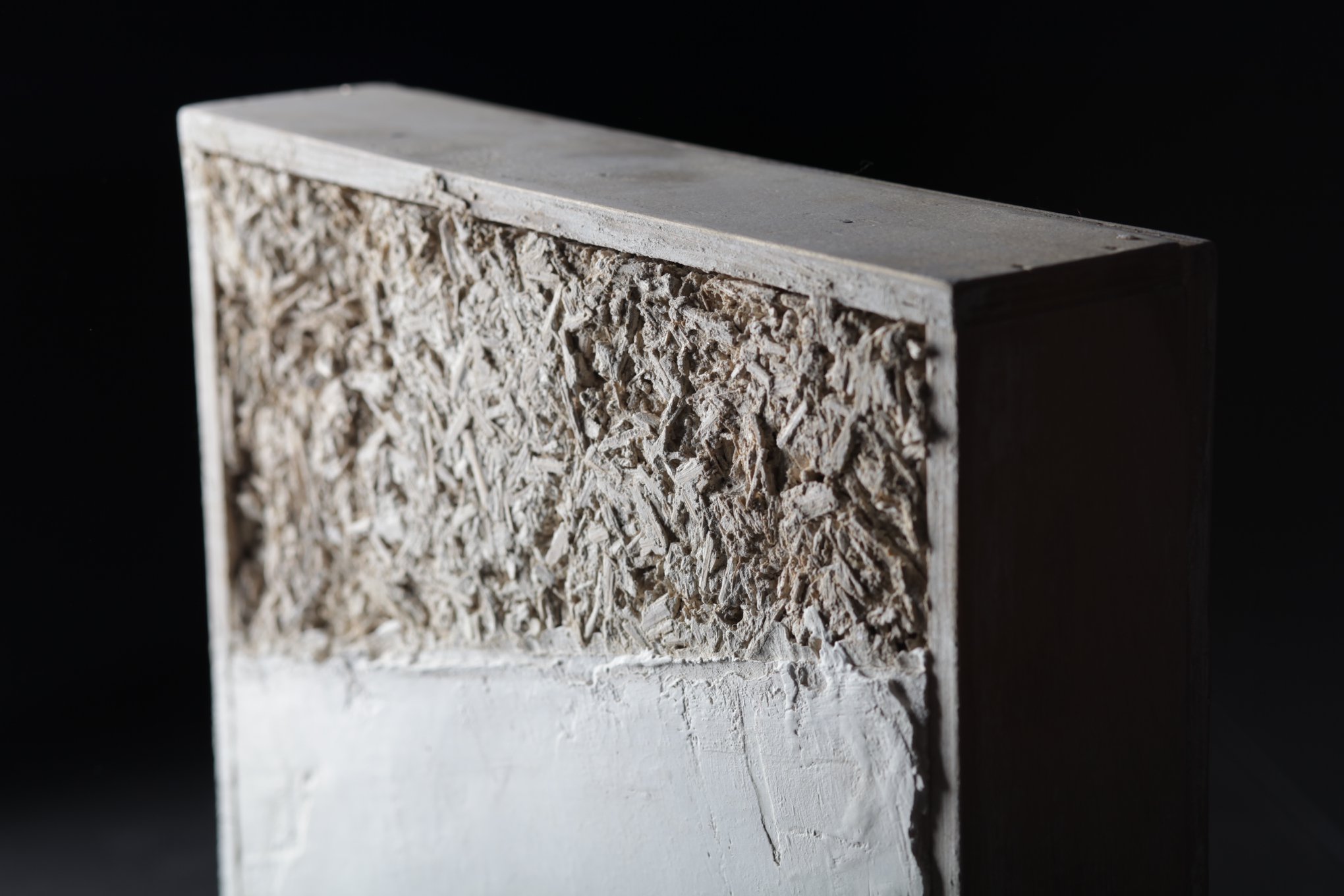
The hemp-lime infill is then coated with layers of natural lime plaster as siding and protection.
Lime can be Self Healing
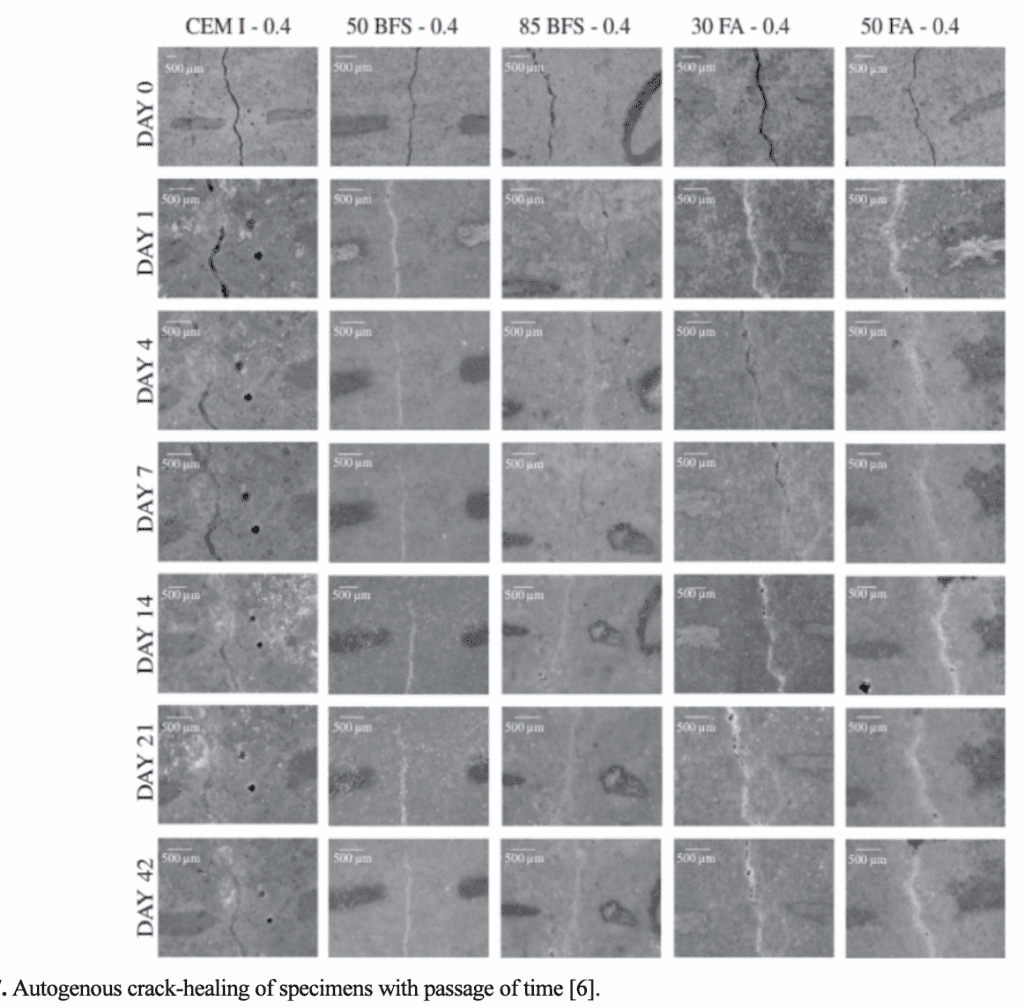
Growing buildings? Self-healing walls? It’s been common in places like the UK for centuries to use lime with plasters and mortars for this very reason. Quicklime with pozzolans (volcanic ash) can self-heal cracks in a week or two. Lime clasts make this possible, like tiny time-release capsules that are activated when a crack invites in more air.
Here’s how it breaks down: carbon dioxide from the atmosphere is absorbed by calcium hydroxide in the lime plaster. The calcium hydroxide is transformed into calcium carbonate. Tiny crystals form within the plaster, binding cracks together, somewhat similar to bones healing in the body.
Lime
Why lime, and not cement? Lime pH is 12.4 – very alkaline, and when mixed into hemp-lime, maintains some alkalinity after curing, which inhibits mold growth. Hemp-lime has been tested to resist molds at least up to a relative humidity of 75% in exterior rendering conditions, and performs very well in indoors where hemp-lime walls help keep a constant indoor humidity of 40-50% – the ideal conditions for human comfort, and to prevent bacteria, viruses, fungi, mites, respiratory illness, allergies and asthma, chemical interactions and ozone emission.
Lime binds to the silica in hemp hurds to further react and protect the hemp from mold and pests.
Some ventilation is still recommended, and as we continue to better understand the performance of hemp-lime with lime plaster walls, we can better determine when and how much ventilation is needed for different spaces, such as bathrooms and laundry rooms, and for buildings of various sizes, occupancy and configurations. In tropical or high humidity areas, some dehumidification may still be needed.
Mold
Living in the cool, rainy areas of the Pacific Northwest, the growth of mold, especially toxic mold, is a huge health issue contributing to chronic respiratory, sinus, cognitive and immune conditions. Adequate ventilation and drainage for water is key in any building envelope. Water is the most common and problematic issue for homes on a daily basis. Currently, mechanical systems are the primary method to mitigate interior moisture issues, along with foundation and ceiling vents. When ducts and mechanical conveyance is not cleaned frequently and consistently, mold can grow and be circulated.
Breathability
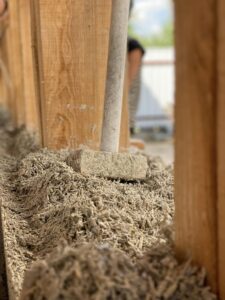 A hemp-lime wall is breathable. It consists only of hemp-lime infill around the framing and lime plaster finish. Both are considered breathable. But what is “breathable” when it comes to building envelopes?
Lime binders used in hemp-lime attract and utilize water in its carbonation and crystallization reaction while absorbing and releasing moisture and sustaining structural integrity. This is how it reduces the risk of mold growth. Concrete on the other hand, will attract water (hydrophilic) and is prone to condensation and water capture without release or complete reaction, which causes potential mold and moisture issues. Typically extra plastics in the form of vapor barriers are used to mitigate concrete’s moisture issues.
Sources:
https://www.scientific.net/CTA.1.588
https://limocoat.com/blog/self-healing-properties-of-lime-plaster
https://www.sciencealert.com/we-finally-know-why-ancient-roman-concrete-stood-the-test-of-time
https://www.construction-physics.com/p/roman-vs-modern-concrete