- This event has passed.
Reducing Wildfire Risk
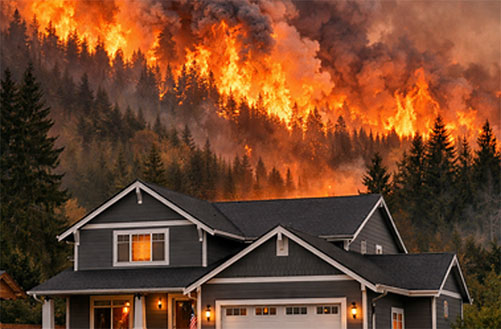
Through fire-resistant design, material choices & vegetation management.
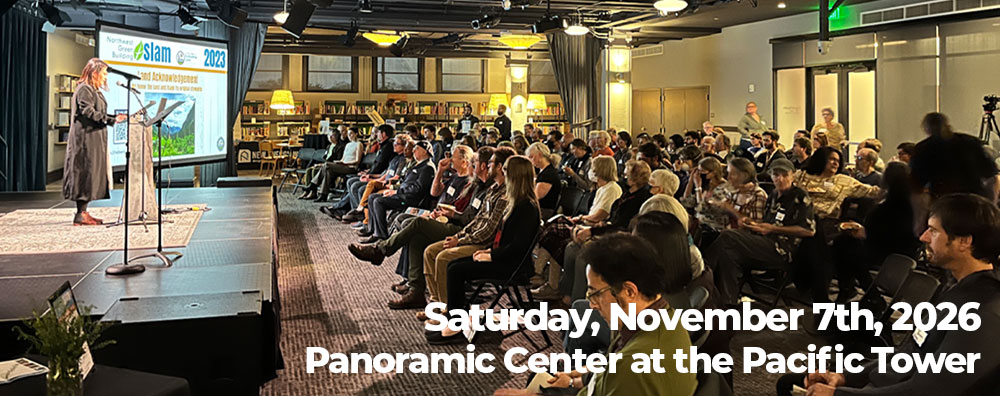
Smart Building Center, Pacific Tower (HYBRID)
1200 12th Ave, Room 110, Seattle, WA 98144
Wildfires are becoming more frequent, more intense, and more unpredictable across the Pacific Northwest — including here on the west side of the Cascades. Recent events such as the Palisades Fire in Los Angeles highlight that even some urban neighborhoods may not be immune to wildfires.
This educational session brings together expert speakers to outline practical, science‑based strategies for reducing wildfire risk in the wildland–urban interface. Topics will include:
- Fire‑resistant design strategies for new homes and retrofits
- Material selections that improves home survivability
- Vegetation management techniques that reduce ignition pathways
- How the insurance industry is adapting to rising wildfire risks
Whether you’re a builder, Architect, or homeowner, this session will provide actionable guidance to help protect homes and communities as wildfire risks continue to evolve.
Doors open at 6:00pm.
SESSION SPEAKERS:
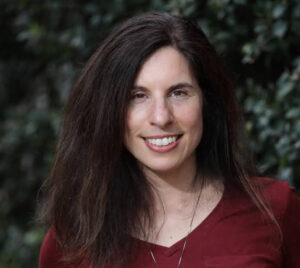 Cat Robinson
Catherine “Cat” Robinson is the Wildfire Mitigation Specialist and Emergency Coordinator for Eastside Fire & Rescue, where she built and now runs the wildfire mitigation program serving communities across eastern King County. She works with cities, neighborhoods, businesses, policymakers, and residents to help communities live more safely with fire — not just fight it.
With a background that includes entomology, field biology, education, and emergency management, Cat brings a unique perspective to wildfire adaptation, specializingin turning complex science and policy into practical, community-driven action to build fire adapted communities and long-term wildfire resilience. She is known for building partnerships, connecting people to resources, and helping communities understand that wildfire preparedness is a long game, not a one-season project.
When she’s not talking about defensible space, home hardening, or community risk reduction, you can probably find her working on prescribed burns, hiking with her family and dogs, or attempting to learn the banjo – proving that she is not afraid of difficult or slightly dangerous hobbies.
 Rob Harrison AIA cPHc
Rob Harrison has forty-five years of experience as a design professional, including thirty-five years of green design in Seattle. He was one of the founders of the Northwest EcoBuilding Guild in 1992. In 2009 he became one of the first Certified Passive House Consultants in the United States. Advocacy for green building has always been part of his practice. In the last fifteen years advocacy for walkable urbanism and climate-friendly civic policies has become a significant focus. In 2025 he played a role in proposing and helping to pass HB 1183 in the Washington State Legislature, which makes it easier and less expensive to build Passive House, mass timber, modular and Affordable housing in Washington State.
Rob has given talks on green architecture and Passive House for Seattle Tilth, AIA Seattle, Seattle City Council Central Staff, City of Seattle’s Green Team, Rep. Jim McDermott, the United States Coast Guard, UW Capitol Resource Planning, the Housing Development Consortium, Miller|Hull, GGLO, Homesight Community Land Trust, the Low Income Housing Institute, Capitol Hill Housing and many others.
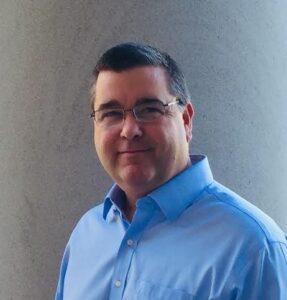 David A. Forte, Senior Policy Advisor, Property & Casualty, Policy and Legislative Affairs Division, Washington State Office of the Insurance Commissioner
David serves as the Insurance Commissioner’s primary advisor on all issues related to property and casualty insurance. He leads policy related research, analysis and writing in support of the development of OIC policy positions and proposals in these focus areas. Prior to joining the OIC, David worked closely with insureds over 8 years adjusting their large loss property claims in eight western US states. His success in adjusting claims was assisted by his 15 years of experience in the construction field and 10 years of litigation support, including as an expert witness in federal and state court on claims handling regulations and how lenders should process borrower’s fire loss.
David earned his undergraduate degree from Washington State University. David also has received his Chartered Property Casualty Underwriters (CPCU) and Associate in Claims (AIC) professional designations from the American Institute of Chartered Property Casualty Underwriters.
SESSION SPONSORS: